Immersive Experience
HTC Creative Labs
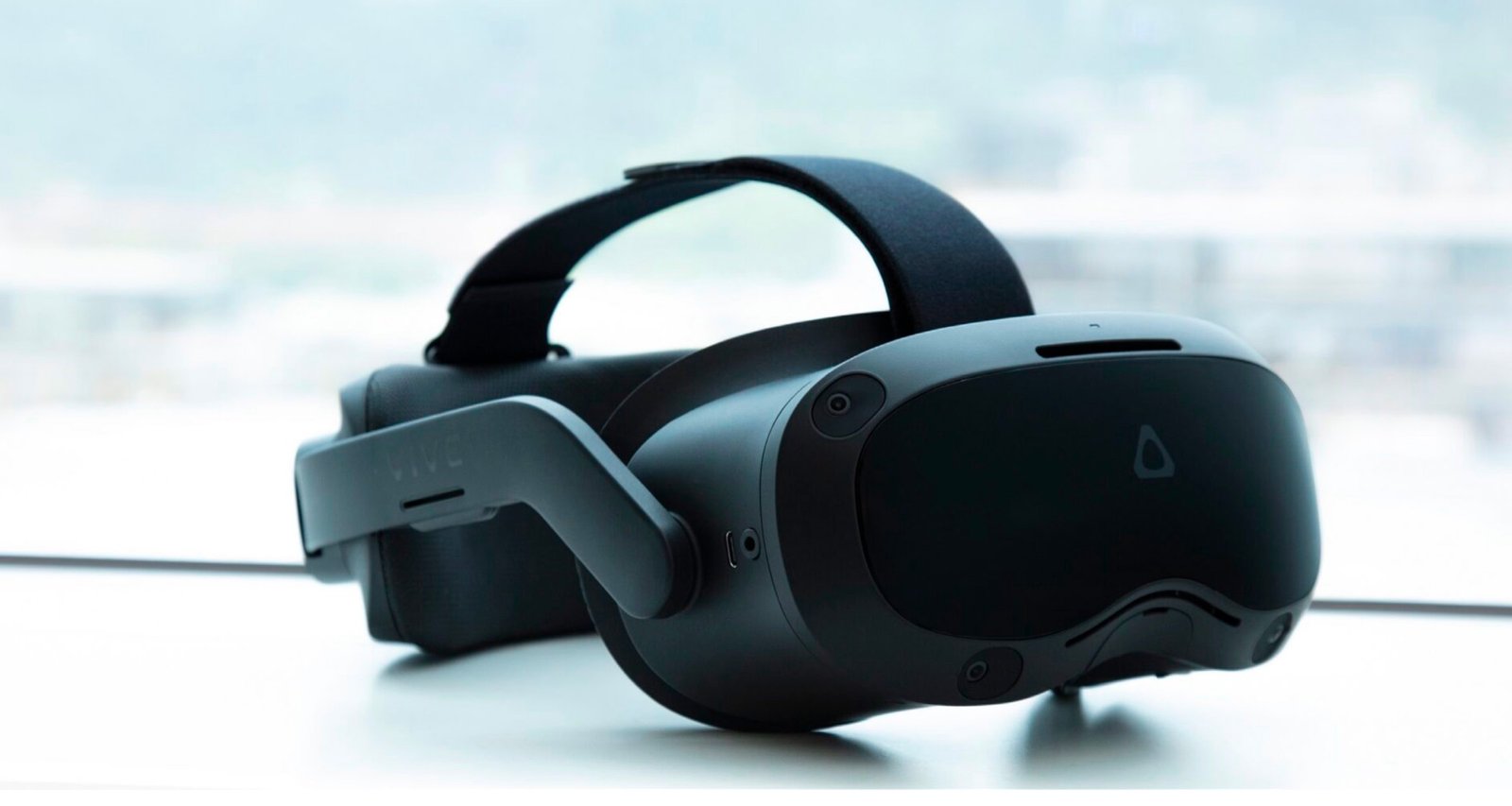
New virtual reality headset and system software for business
Business Challenge: refocus HTC’s VR strategy from consumer to enterprise, replacing internal opinion with real customer research and usability evidence.
Result: research built trusted relationships with customers and directly shaped product design decisions — engineering and sales teams began requesting more research on their own.
HTC Creative Labs was a small innovation team in Seattle, owned by HTC in Taiwan. As Principal Researcher, I started the lab’s research program to guide a high-quality enterprise VR headset. Healthcare was a key opportunity: pain management, rehabilitation for post-stroke patients, training for emergency care workers, and desensitization training for people with phobias. Other opportunities included highly technical training in aerospace, manufacturing, and safety in dangerous environments.
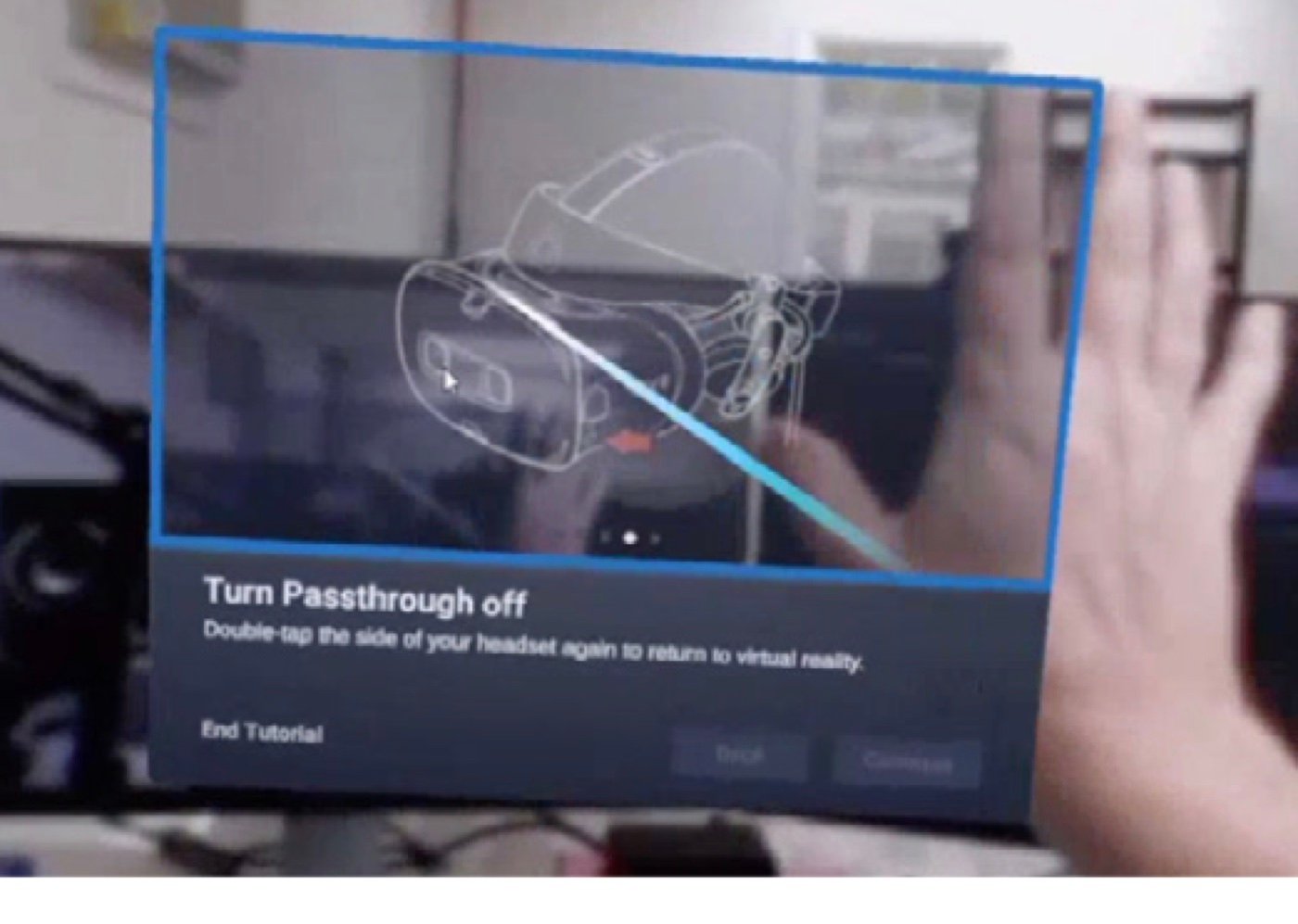
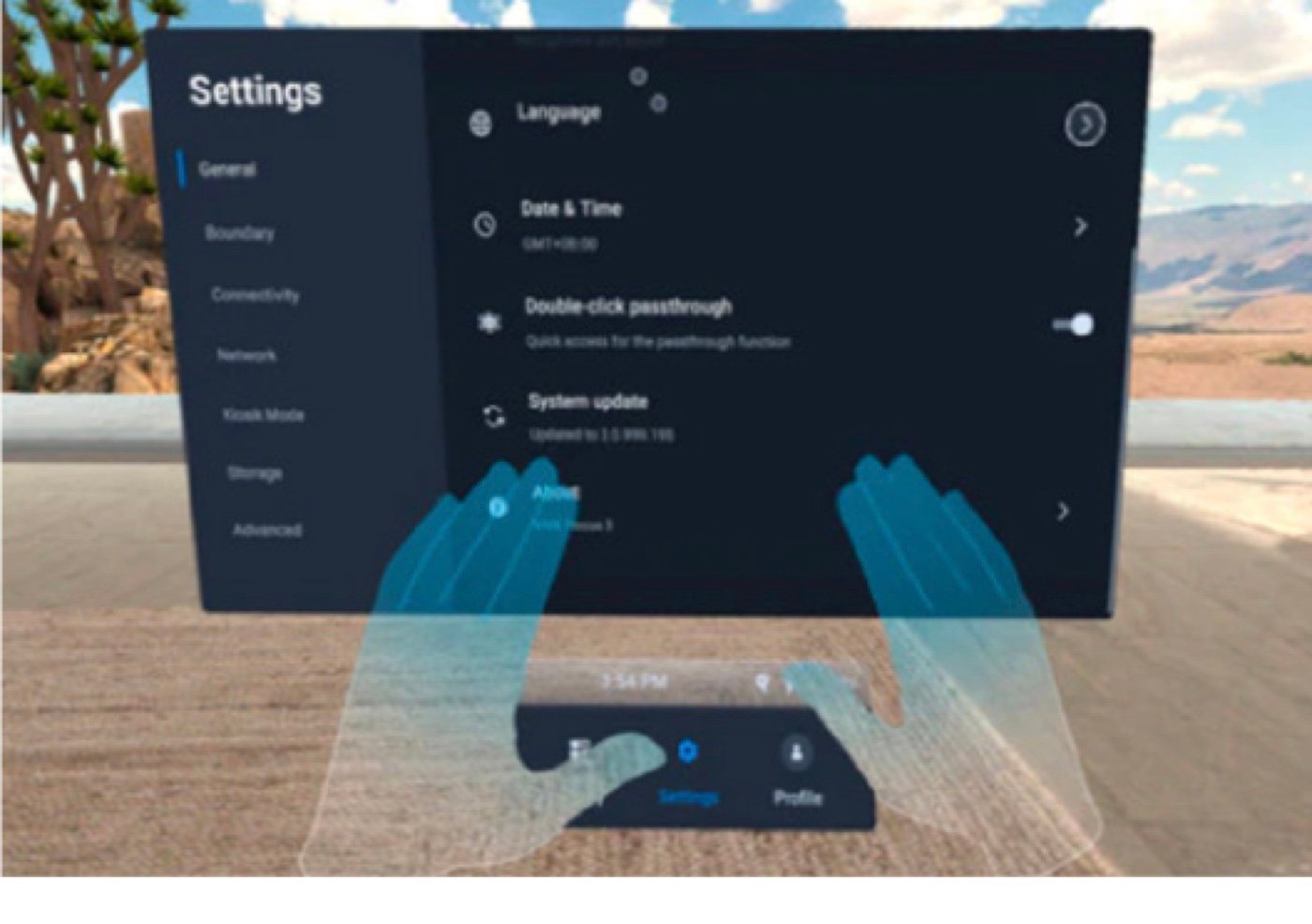
I set up panels of expert advisors, visited customer sites, and initiated exploration studies with customers and developers to shape design strategy for our product pipeline — from hardware feature requirements to new system software interaction models, such as gestural interfaces for hand tracking.
Strategy research focused on businesses with significant VR initiatives: surveys, fieldwork, and 50 in-depth interviews across 15 industries. In parallel, UX research ran nine months of usability and A/B testing of the foundational software across the U.S. and Taipei — covering ergonomics, gestural control, and content — steadily refining our tools for remote testing through the Covid shutdown.
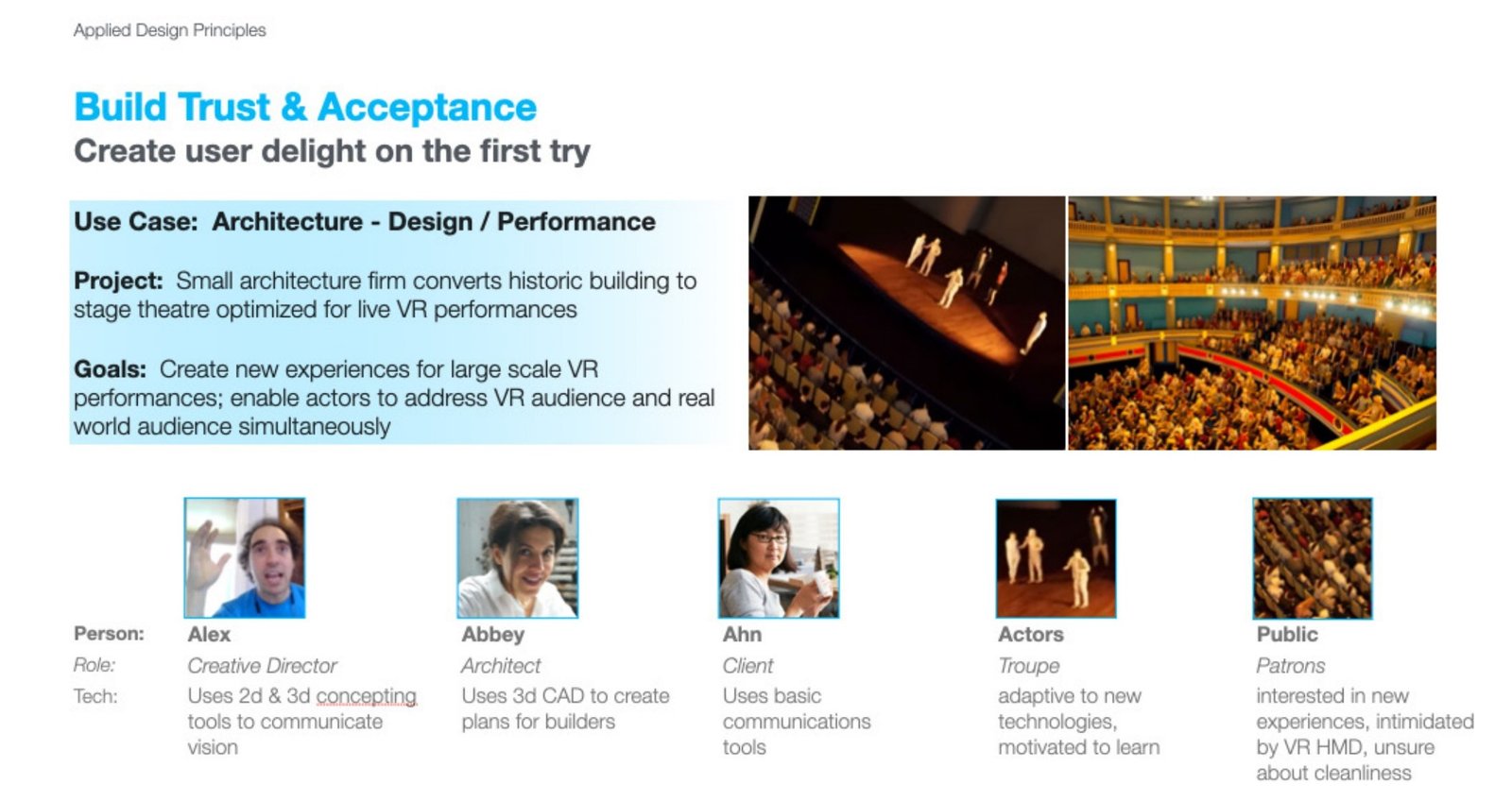
The work surfaced clear priorities about refining device management for developers and IT, making hand tracking more intuitive to ease adoption, and eliminating setup frustration so that new users felt delight with the first experience.
“We love the form factor and the usability.” — Sector 5 Digital
Detailed Case Study
A closer look at the research program behind the Vive Focus 3, from the first questions to launch and what I learned along the way.
Research goals
- Refocus HTC’s strategy from consumer to enterprise.
- Use research evidence to move design decisions from internal opinion to customer input and usability testing.
Research questions
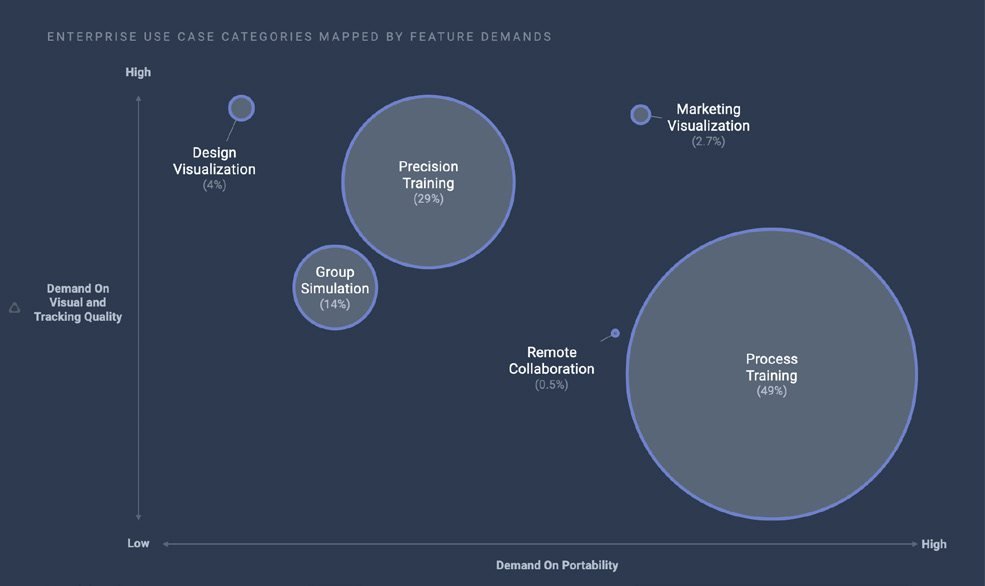
Strategy: What VR pipeline products and features will enable HTC to meet the needs of enterprise customers?
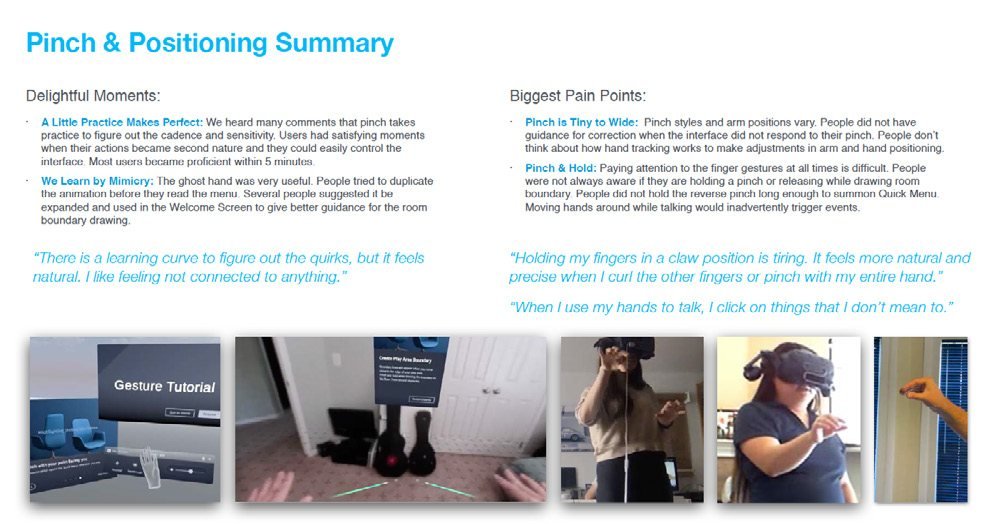
UX: What gestural interfaces and interactions will support business customers and their users?

Strategy & Experience Plan
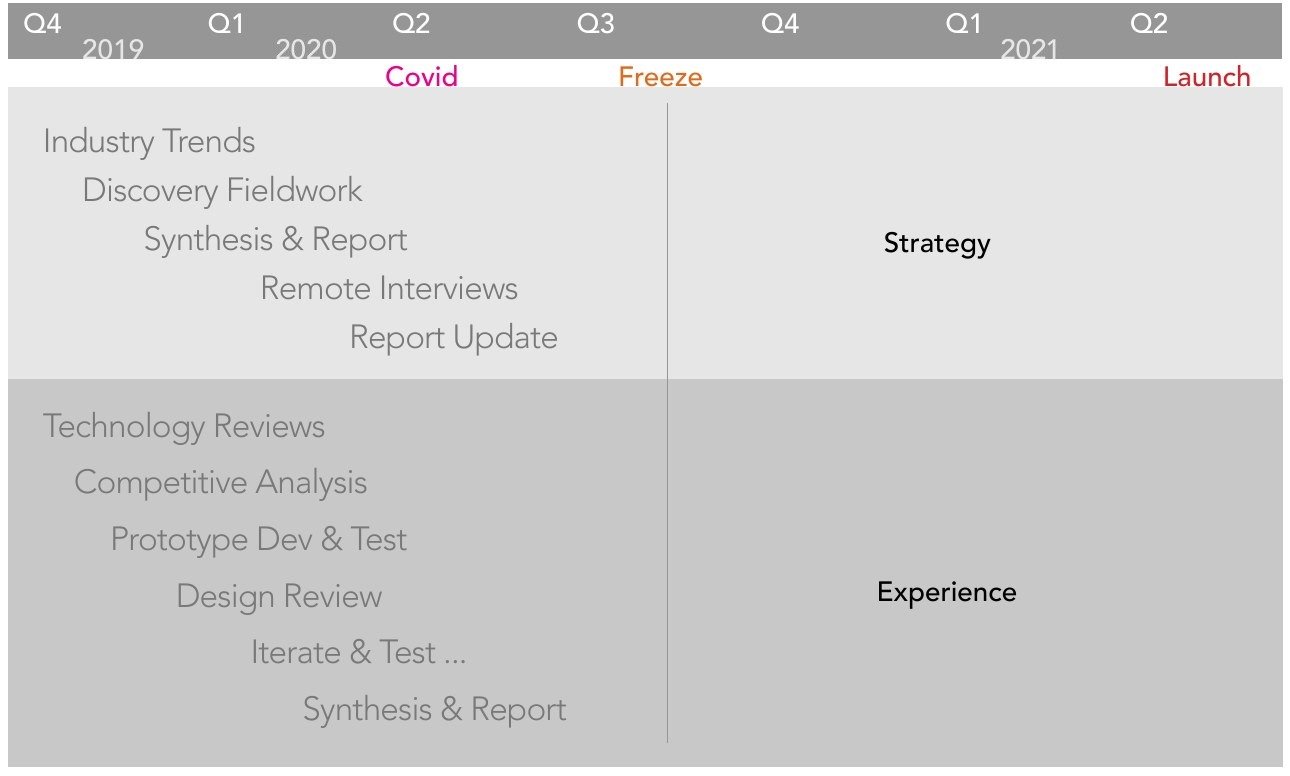
The plan ran on two tracks. Strategy research set out to discover customer VR use cases and future needs. Experience research informed prototyping and product development: learning about tracking technologies, testing prototypes of interaction models, and evaluating prototype ergonomics.
Hardware Research
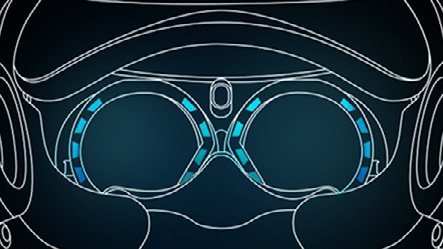
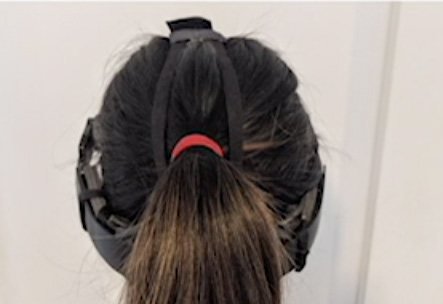
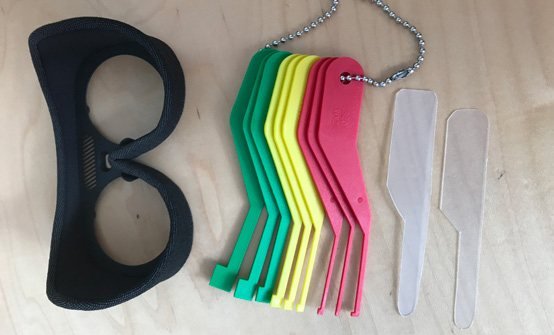
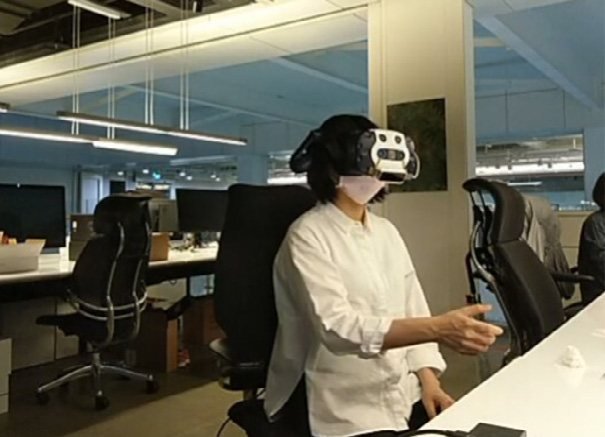
Headset sensor layout and ergonomic fit options were studied in parallel.
Strategy research methods
We focused on businesses with significant VR initiatives.
- 25 customers surveyed for demographics
- 5 observational fieldwork visits before Covid
- Technology review at the I/ITSEC conference
- 50 remote in-depth interviews across 15 industries
- Task analysis and pain points in common workflows
- Themes and patterns, inferences and systems thinking
- Concept testing with customer VR managers
- Panels of expert advisors and customer site visits
UX research methods
- Ergonomic reviews for hardware and gestures
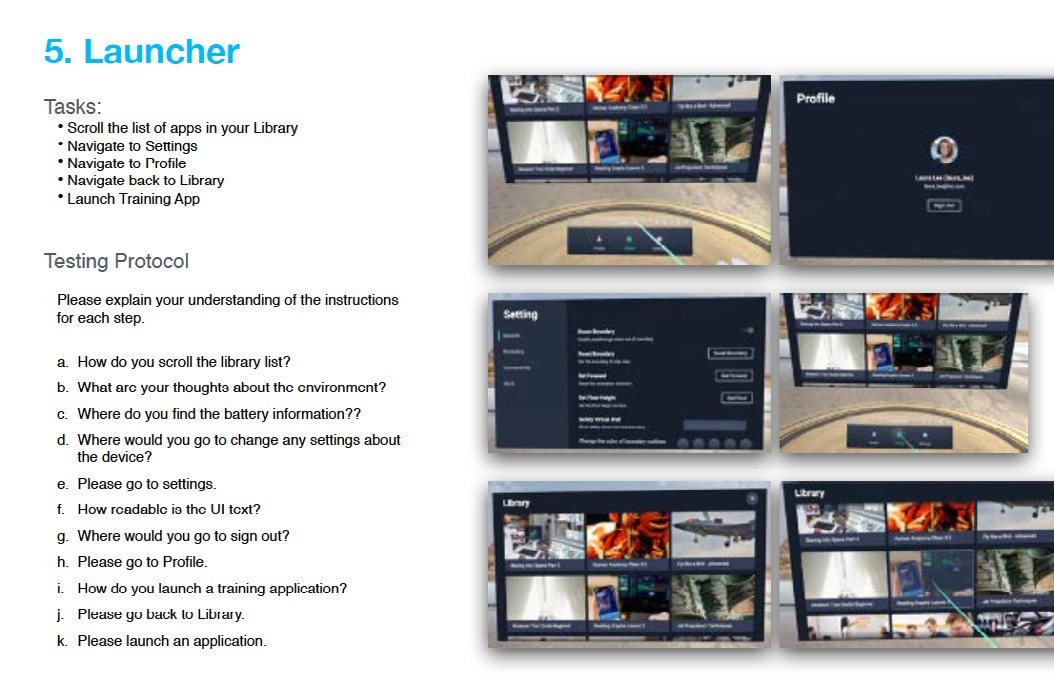
- Think-aloud, task-based usability tests
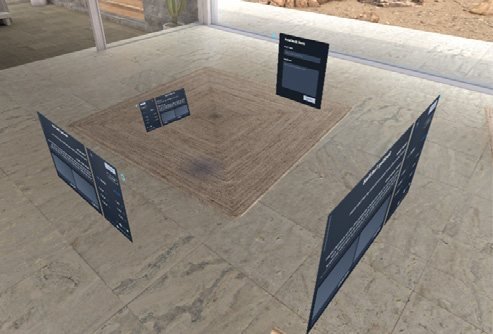
- A/B tests of foundational system software
- 9 months, 8 studies, 10–25 users each, from novice to expert
- Participants were HTC employees, friends and family in the U.S. and Taipei
- Probes for understanding and sensibility
- Thematic analysis of reactions to the UI
- Likert ratings on gestural control and content
- Continuous improvement of our remote testing tools
Insights
Strategy
- Ecosystems: return on investment and scale require IT systems integration and long-term stakeholder management.
- Enterprises: adoption barriers include security, reliability, performance, complex workflows and cultural norms.
- Developers: solid SDKs are a priority for launch success.
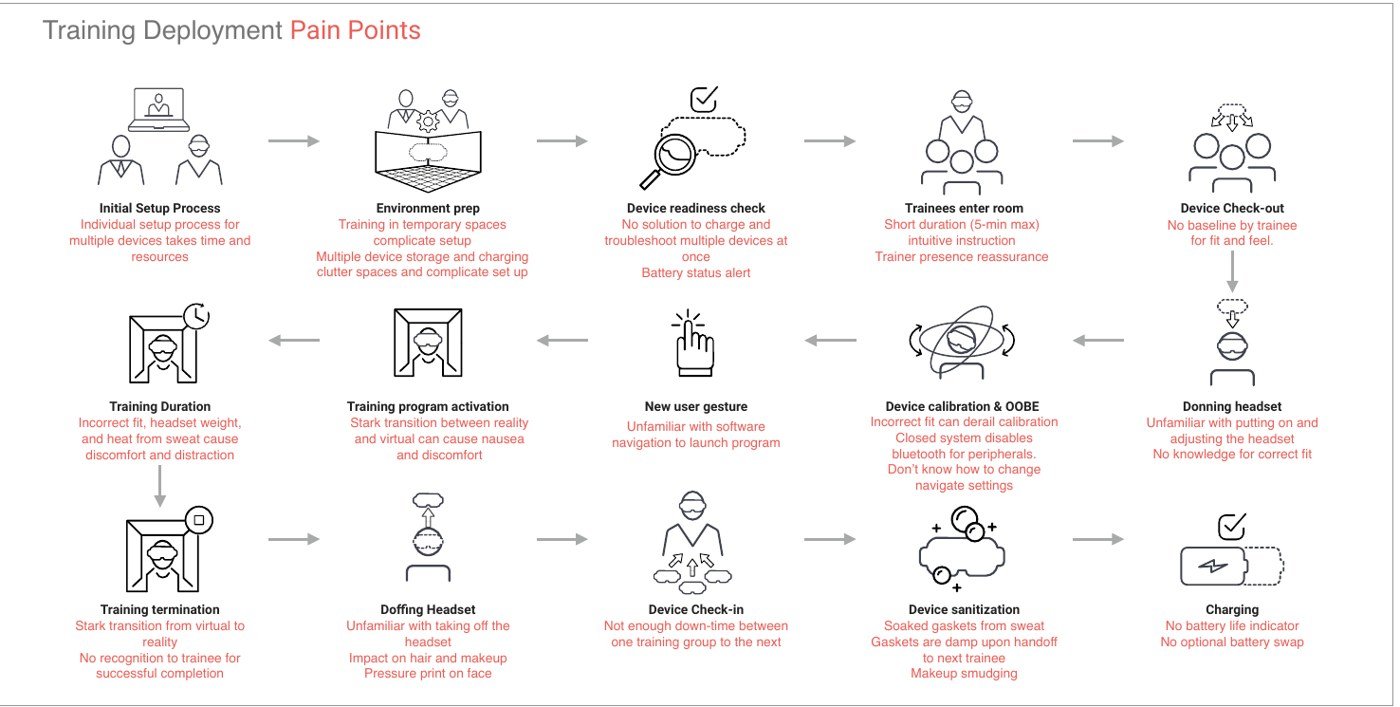
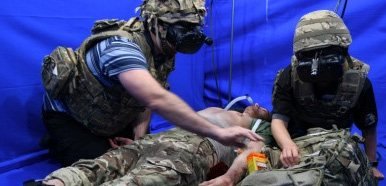
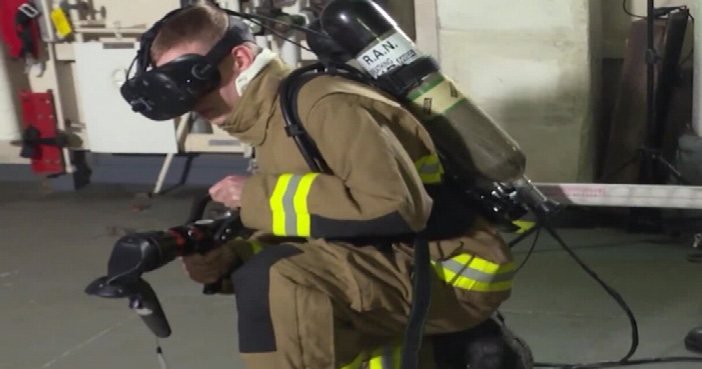
“We need passthrough for emergency medical teams to use equipment as fine as needles and cannulas. The optimum field of view would be 120–130°, 2160 × 2160, 90 frames per second.” — Prof. Bob Stone, Human Factors Specialist
UX
- Value of methods: qualitative probes and behavioral observation revealed perception, rationale and sensation, and generated ideas for improvements.
- In comparison: timed tests and spatial analytics with business users would yield stronger statistics, and lab tests would reduce variability.
Recommendations
Strategy
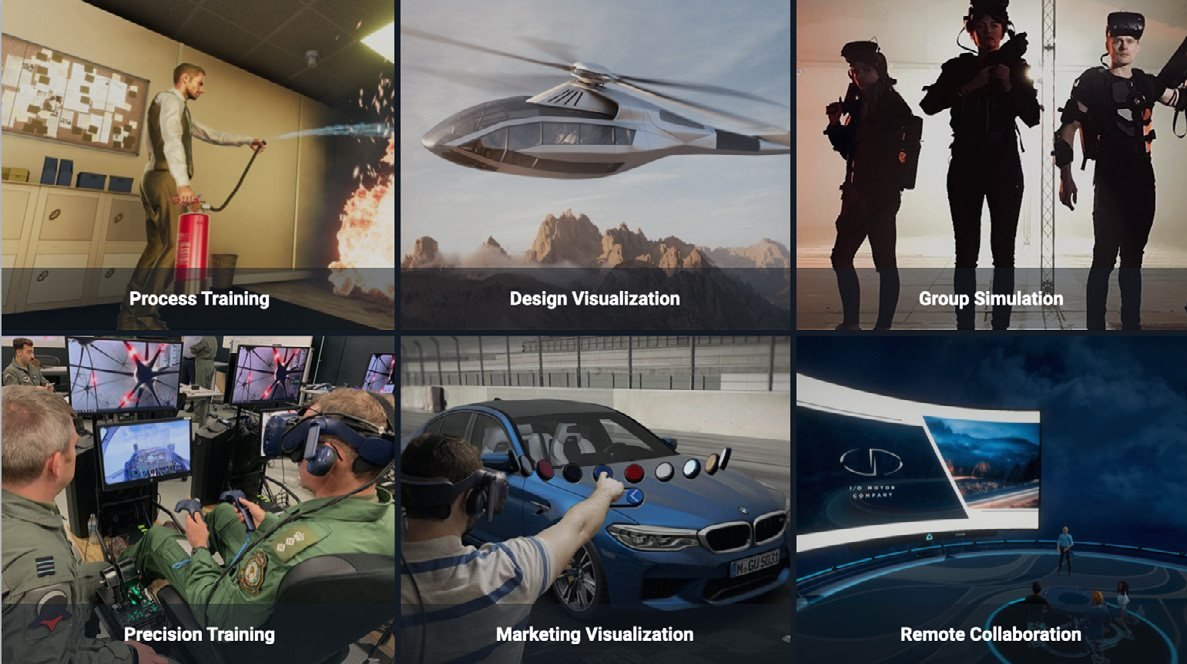
- Focus on process training and design visualization.
- Solve for device management needs.
- Intuitive hand tracking is high value.
- Automatic adjustments will ease deployment.
- Enterprise apps lead to consumer content.
UX
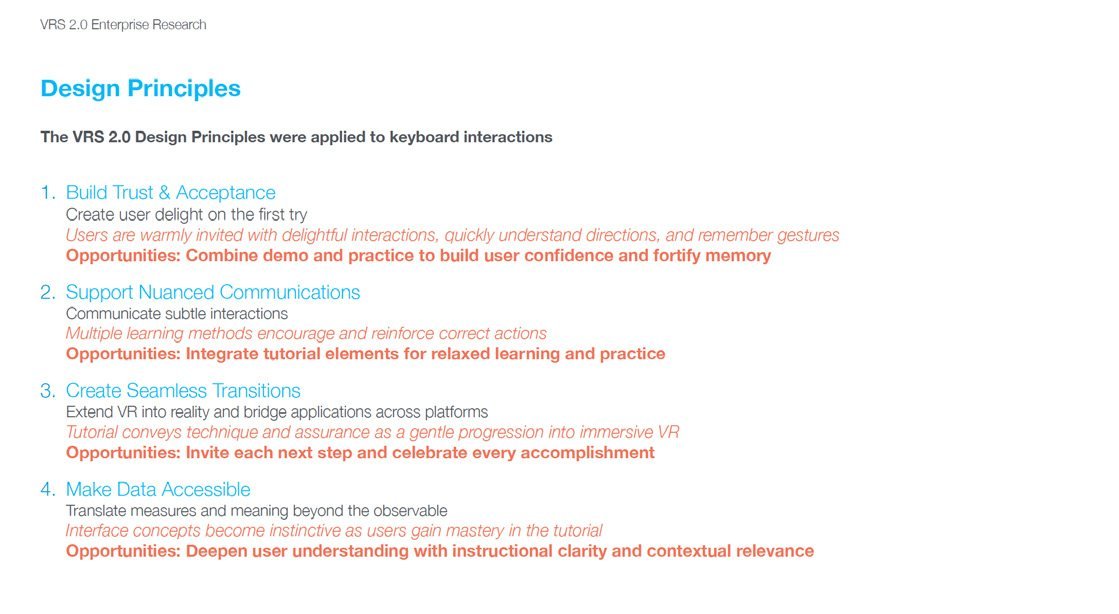
- Definitions: UX design principles, specific improvement actions with illustrated issues, and suggestions for prototype iterations.
- Criteria: performance specifications and use scenarios from customers, and experience design standards for system software.
Impact
- Research built trusted relationships with customers.
- Human-centered design supported customer needs.
- Engineering began asking for more research.
- New collaborations with internal teams started flowing.
“Resolution is fantastic. It is the most comfortable, sharpest headset.” — Agile Lens
“Focus 3 has ticked the check boxes. We now have senior management buy in.” — UPS
Looking back
What I would push for in the next round of research:
- Gain access to enterprise employees as participants.
- Expand methods and tools for combining data.
- Do extended research with customers and developers.
- Create research and experiential storytelling in VR/XR.
