Identified opportunities to increase patient treatment and survival
Business Challenge: research to inform a differentiating strategy for a biosimilar oncology drug in a crowded pharmaceutical market.
Result: proposed a shift in Dr. Reddy’s strategy to increase patient survival beyond the drug with earlier discovery, accurate diagnosis, and access to treatment in India’s healthcare system.
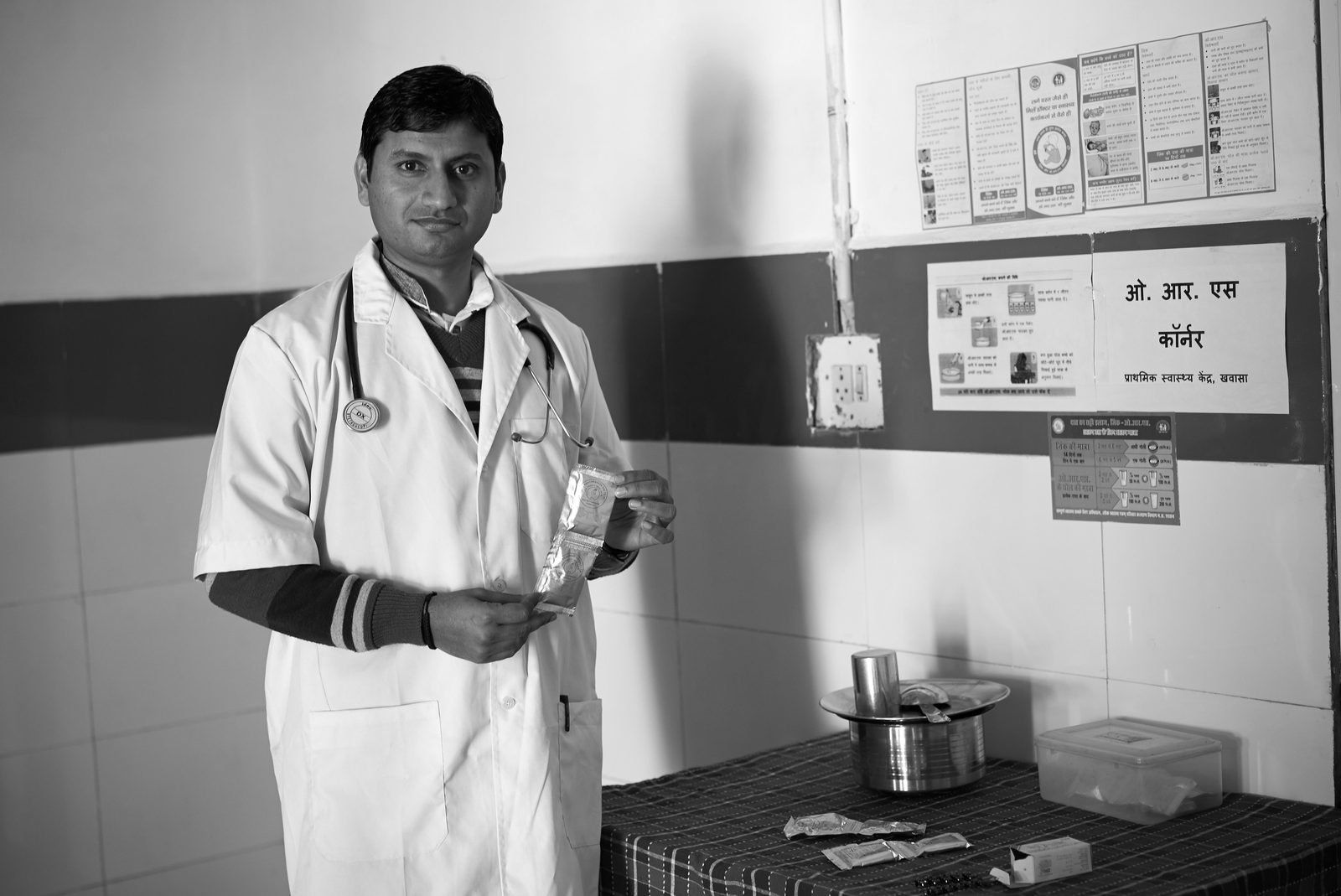
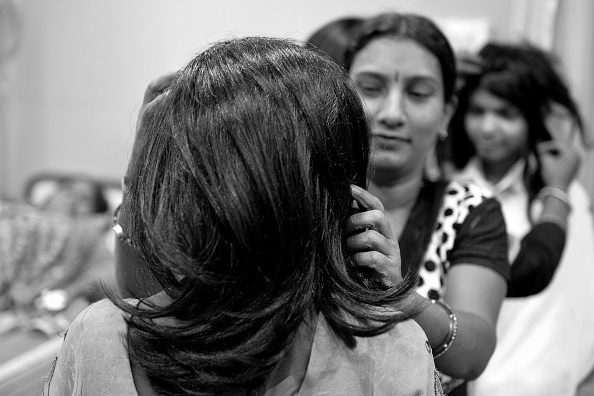
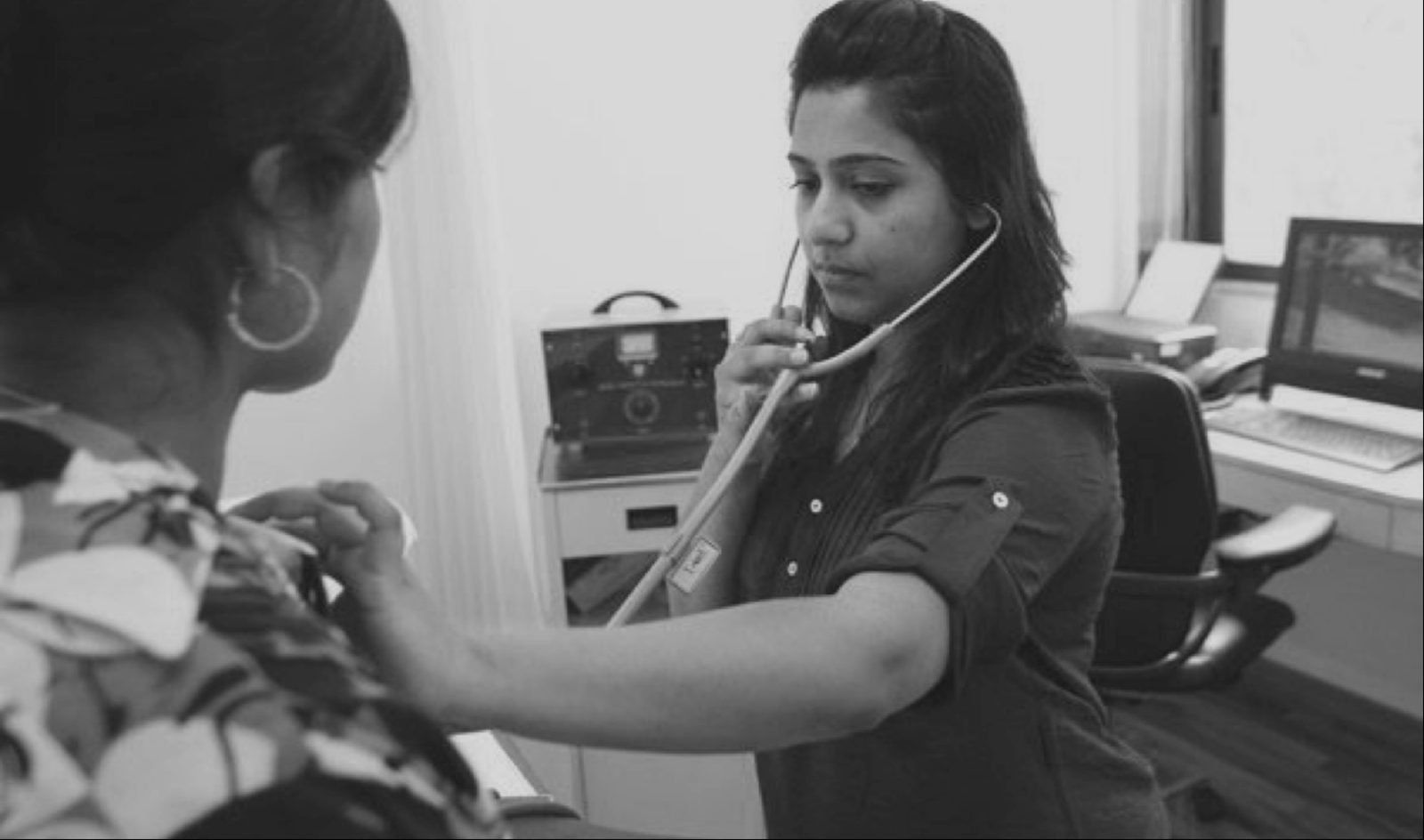
While at Artefact, our team did research in Delhi & Mumbai to help a pharmaceutical company understand patient experiences of breast cancer and create a product launch strategy. With a translator/cultural guide, our female research team conducted in-home interviews with women, families, and non-profits, while a second team of male researchers spoke to physicians in several hospitals.
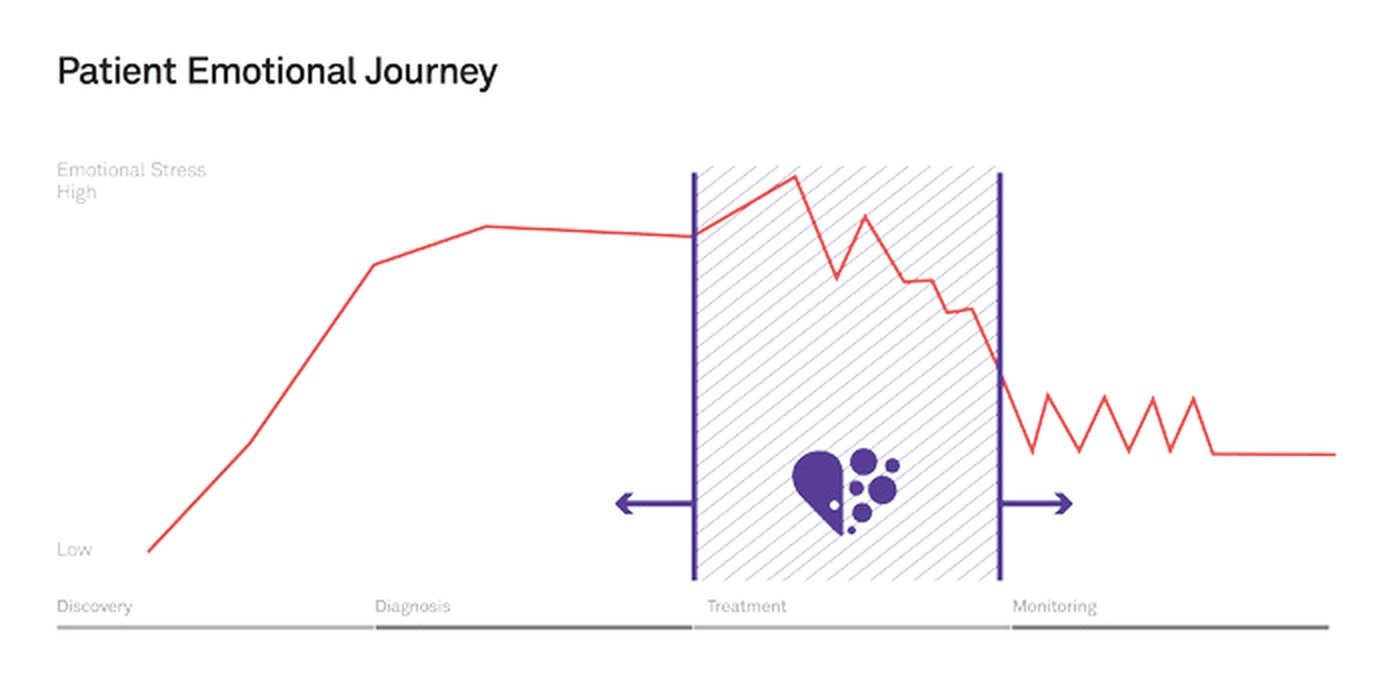
We merged our perspectives into a patient journey map to illustrate the difficult path to treatment and the reasons for low survival rates. Patient stories and synthesis workshops helped client managers feel empathy for women without healthcare.
Dr. Reddy’s business managers had an internal shift of focus from physician loyalty to a product, to patient-centered experiences. They saw opportunities to increase trust in their brand and shift the social norms of stigma and secrecy with deeper support for women’s healthcare beyond the drug.
“There is guilt for self care. It is an essential learning. We must shift to empower the patient and the support systems.”
— Param, Innovation Leader, Dr. Reddy’s Labs
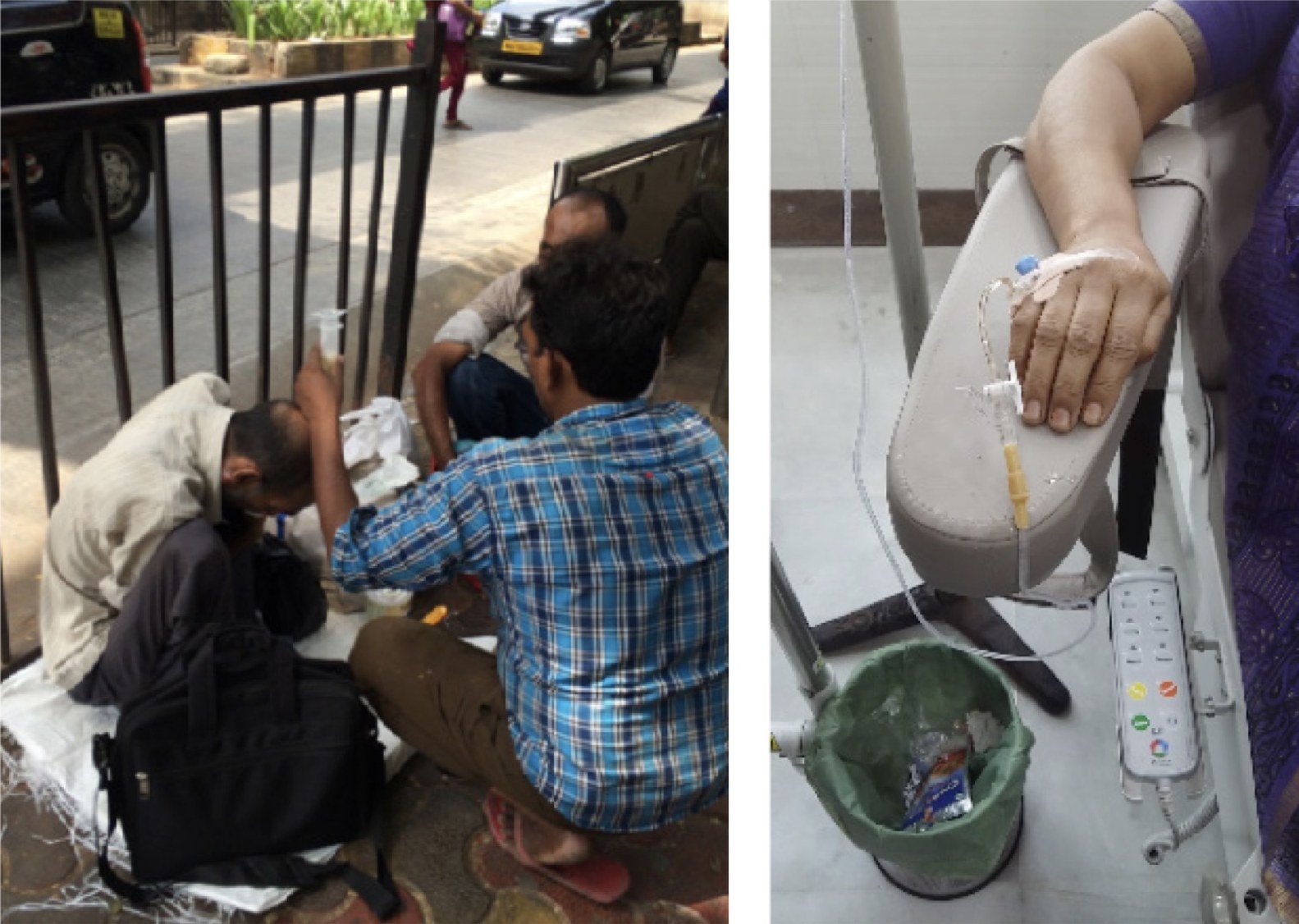
A very ill man waits with his family on the sidewalk outside the hospital hoping for admission in the overcrowded healthcare system. A woman is given chemotherapy cancer treatment in a regional clinic.I visited several women with breast cancer in their homes to understand their journey through diagnosis and treatment. In the traditional cultural context, it is very difficult for a woman to get an accurate and timely diagnosis.
Detailed Case Study
The Point of View we delivered to Dr. Reddy’s: a framework of four opportunity areas and seven design strategies for the breast cancer journey.
Project goal
Discover ways in which Dr. Reddy’s will create a differentiated brand for its oncology portfolio and T-mAb throughout the breast cancer journey, by building empathy with patients and addressing the needs of all stakeholders.
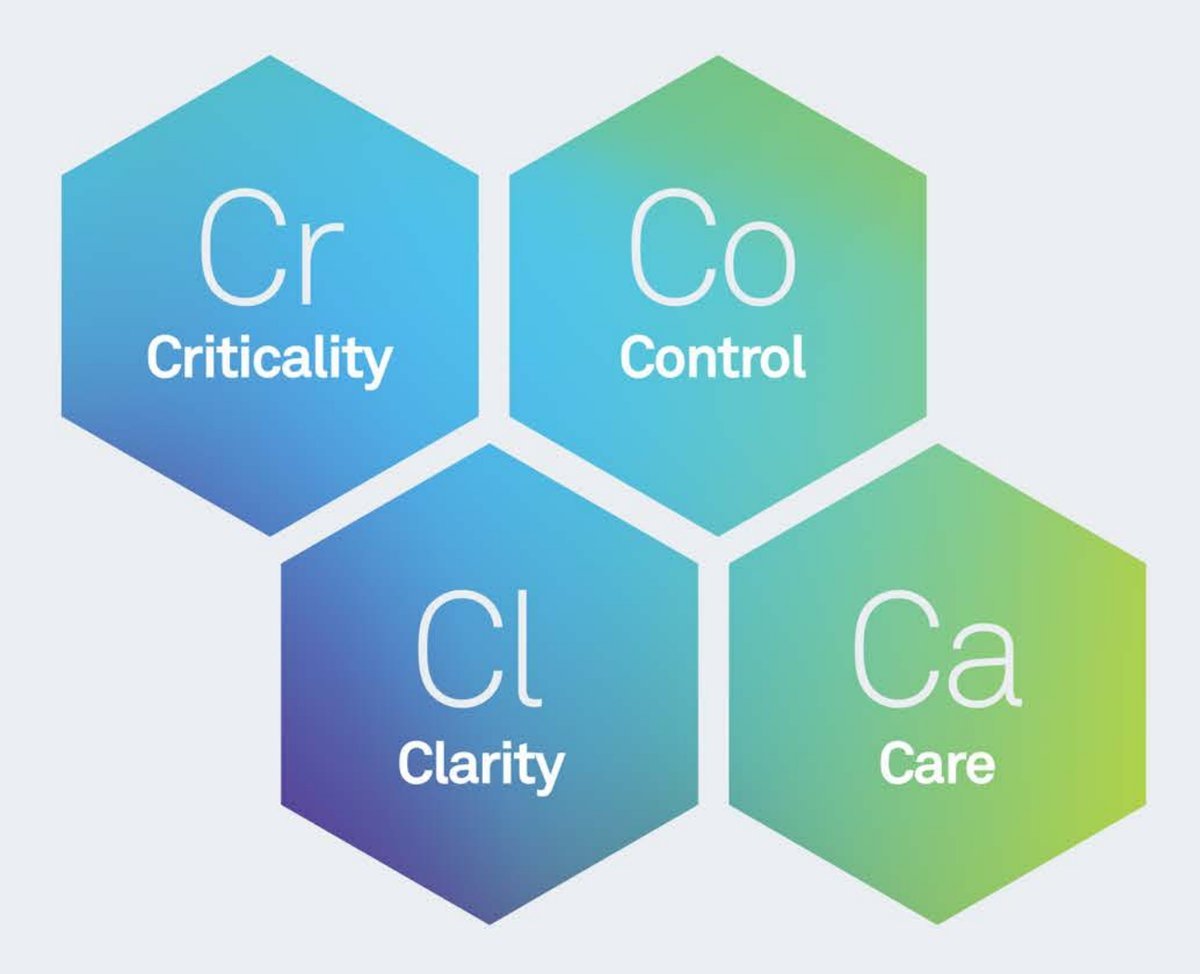
Four opportunity areas
We organized our findings into four opportunity areas. Each one pairs a problem we observed in the field with a way for Dr. Reddy’s to stand apart.
The four opportunity areas: Criticality, Control, Clarity and Care.
Criticality: expedite the process
Problem
There are significant delays throughout the breast cancer journey that reduce survival. Patients don’t comprehend the need for screening and urgent action. Referrals to oncologists, test results, and accurate diagnoses take more time. Delays cost lives.
Opportunity
By instilling a sense of urgency in patients’ minds, and accelerating immediate actions, Dr. Reddy’s will become synonymous with early detection, faster treatment, and higher survival rates.
How long was treatment delayed for our participants? Months until each woman saw an oncologist (discovery) and received a treatment plan (diagnosis).
Related insights
Most women aren’t aware of the increased chance of survival with screening, the nature of breast cancer symptoms, and the need for urgent action.
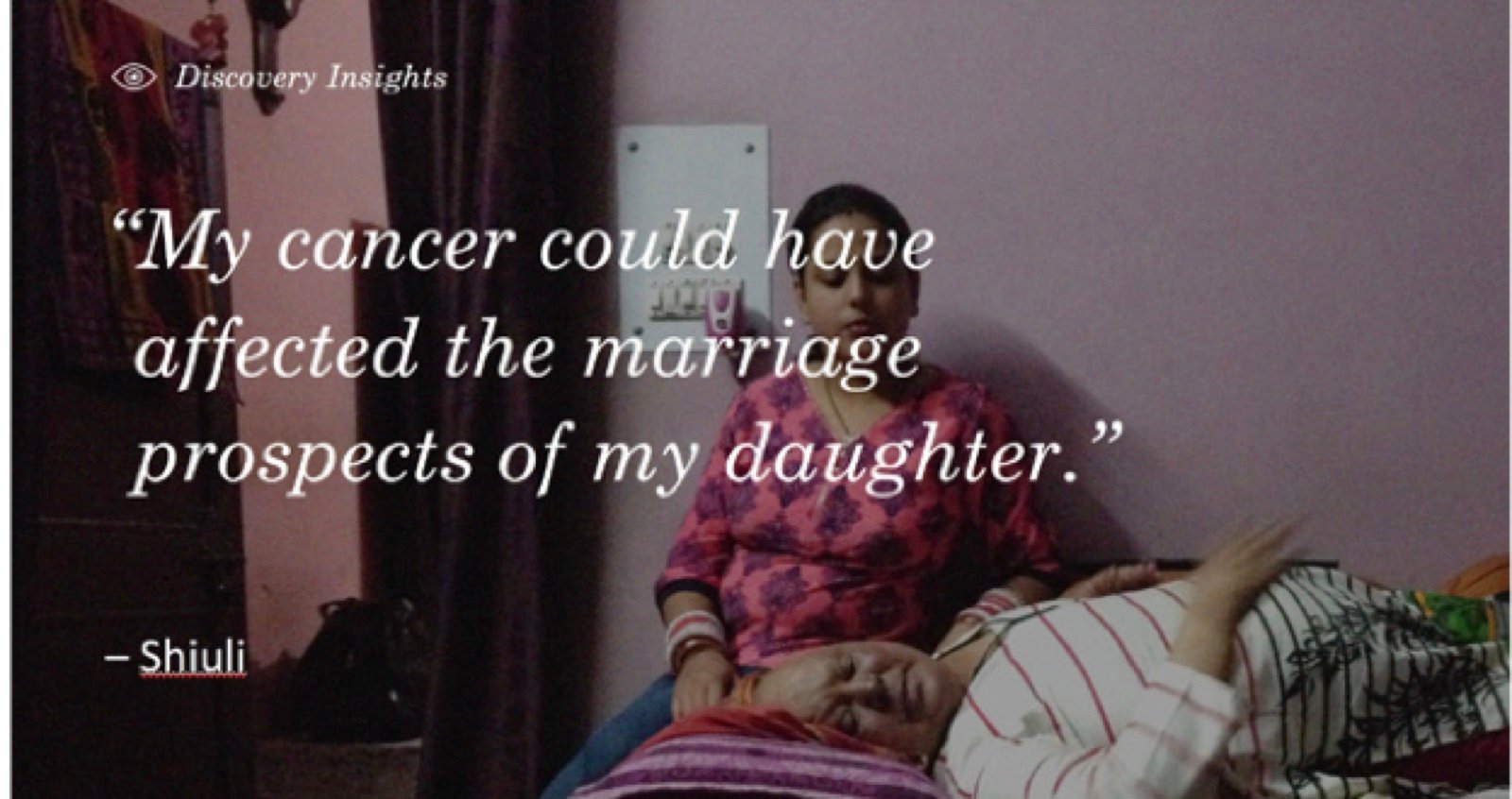
Women delay medical attention because they prioritize their families’ needs and they fear the stigma of a diagnosis.
Women don’t receive proper medical care because non-specialists don’t recognize cancer symptoms or fail to refer to oncologists.
In India, most families believe cancer is fatal and possibly the result of the patient’s own actions.
Diagnosis may delay treatment because workup often yields inconsistent results, tests are redone, and labs take days or weeks.
Relapses are caught late because women who perceive they are “cancer free” may not understand from oncologists the ongoing risk of relapse.
Control: a sense of control for patients
Problem
Oncologists’ choice of what treatments to prescribe is based on their assumptions about the family’s ability to pay. Patients and families want to better understand what is being prescribed and if they have any choice in the matter.
Opportunity
By broadening the choices for customizable products and tools around T-mAb, Dr. Reddy’s affords practitioners the flexibility to meet patients’ unique needs and enables families to have a sense of control.
Related insights
A patient’s prognosis is impacted by their oncologist’s qualitative assessment of which treatments their family can afford.
Families avoid questioning the oncologist. They struggle to find reliable outside sources to understand the treatments being prescribed.
Oncologists and families withhold information and maintain secrecy to help patients keep positive spirits, but it creates confusion and anxiety.
Patients do not understand the targeted benefits of T-mAb or its difference from chemotherapy drugs.
As families struggle to afford care, they may drop T-mAb. Oncologists prefer to shorten the course so patients get some benefit.
Families go through a series of crises because they cannot anticipate changing treatment plans, increasing costs, or patients’ needs for home care.
Clarity: confidence for oncologists
Problem
When choosing the brand they believe will heal their patients, oncologists need data on quality and clarity about the costs of biosimilars. Dr. Reddy’s T-mAb needs to provide evidence of product superiority that oncologists accept, and stories of success that help families trust.
Opportunity
Communication tools and evidence from studies about Dr. Reddy’s T-mAb, combined with compelling stories of patient success, will provide oncologists with the confidence to prescribe our brand and explain it well to families.
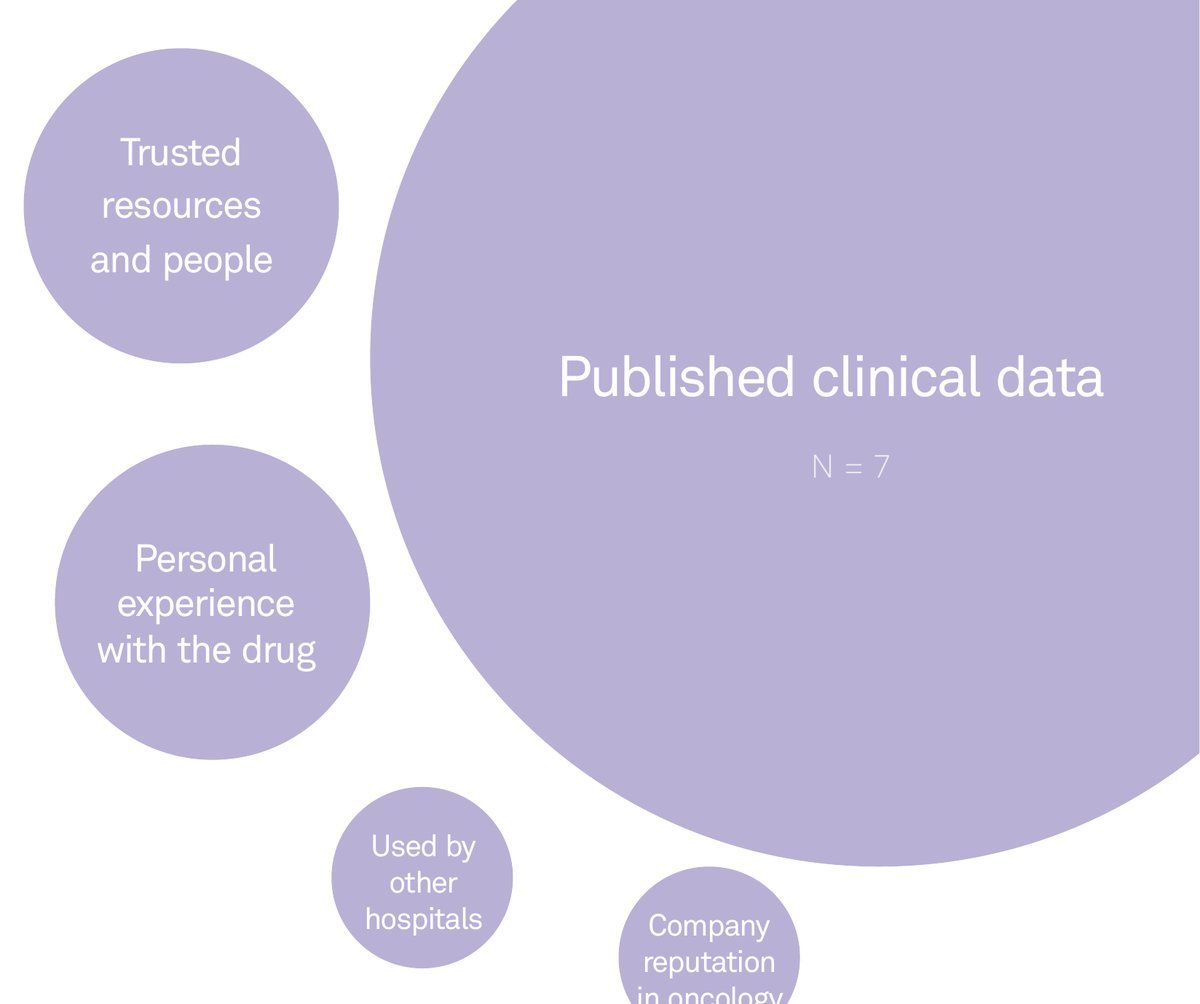
Oncologists and hospital administrators most often named published clinical data as the best way to assess drug quality (N = 7).
Related insights
Doctors lack evidence of biosimilars’ relative quality. They judge drugs based on oncology brand reputation, cost, and observing their patients’ outcomes.
Hospitals have no way to verify product quality besides expiration date and damage to packaging.
Nurses have no way to verify T-mAb quality at administration except for expiration dates on the vial.
Product changes that facilitate easier drug administration might increase access but decrease hospital revenue.
Hospitals stock their formularies based on quality evaluations, profit margins and other relationship-based factors.
Most hospitals stock the innovator and the least expensive brand, which is perceived as lower quality.
Healthcare professionals valued quality and cost improvements more than ease of use.
Care: comprehensive patient support
Problem
Patients need emotional and physical support for the transitions through disease management. The lack of complete care has immense impact on health outcomes, and the entire family suffers under the strain of cancer treatment.
Opportunity
By facilitating services and support for patient and family well-being at times of need across the breast cancer journey, Dr. Reddy’s can offer holistic care options and distinguish its brand as empathetic and sincere at critical touch points.
Related insights
Doctors overestimate the support they provide, so families don’t realize their options for emotional, physical, and financial assistance.
Women struggle with treatment side effects that disrupt their identity, self-esteem, and usefulness within the family.
Treatment is delayed when patients seek traditional cures to avoid surgery, chemotherapy, and stigma. Allopathic medicine may not be understandable or trusted.
Families may isolate the patient from extended family to avoid confusing advice and prevent infection. Isolation may deepen the patient’s depression.
Patients tend to adhere to physician instructions, and are motivated to make behavioral changes, to get the best treatment outcomes.
Women experience anxieties and recurring traumatic memories as annual screenings approach and relapse symptoms occur.
Seven design strategies
Be the light that illuminates the darkness of fear and isolation.
1
Integrate interdependence
Help families place the patient at the center.
“We were hiding the truth from each other, but everyone knew and no one would speak. We regret the stress it caused our mother.” — Daughter
Anticipating experience
Families are often gateways between the patient and the doctor. Without information, patients can’t understand and anticipate side effects.
Withholding information
Many oncologists believe information enables patients to manage self care and act accordingly.
Emotional release
Without connection, patients may have no emotional release and live in fear.
2
Expand expertise
Work with primary physicians as trusted sources for patients to promote urgency for action.
“I was afraid to irritate the oncologist. I felt safe to express my emotions to the doctor who I knew since childhood.” — Patient
New relationships
Oncologists are perceived as unquestionable authorities with little time to address questions, leaving patients to fend for themselves.
Emotional needs
Patients consult family physicians and traditional medicine practitioners to calm fears and hope for alternative ways to deal with side effects.
Lack of expertise
Family physicians may not refer patients to oncologists fast enough because cancer symptoms are not recognized.
3
Helpful heroines
Value the wisdom of survivors.
“When patients see that I have a normal life, that my hair has come back and I am healthy, they realize that they can get through it and they fight.” — Survivor
Super models
No one else has the same credibility and empathy as a survivor. They help set patients’ expectations and are evidence against the stigma of cancer as fatal.
Survivor strategy
Recognizing the value of survivors, foundations rely on them for outreach.
Universal acknowledgement
Oncologists have referred patients to survivors. Nurses mentioned the power of their empathy. Patients have created informal support groups of survivors they know.
4
Nuanced narratives
Communicate with everyday language and provide detailed instructions to inspire action.
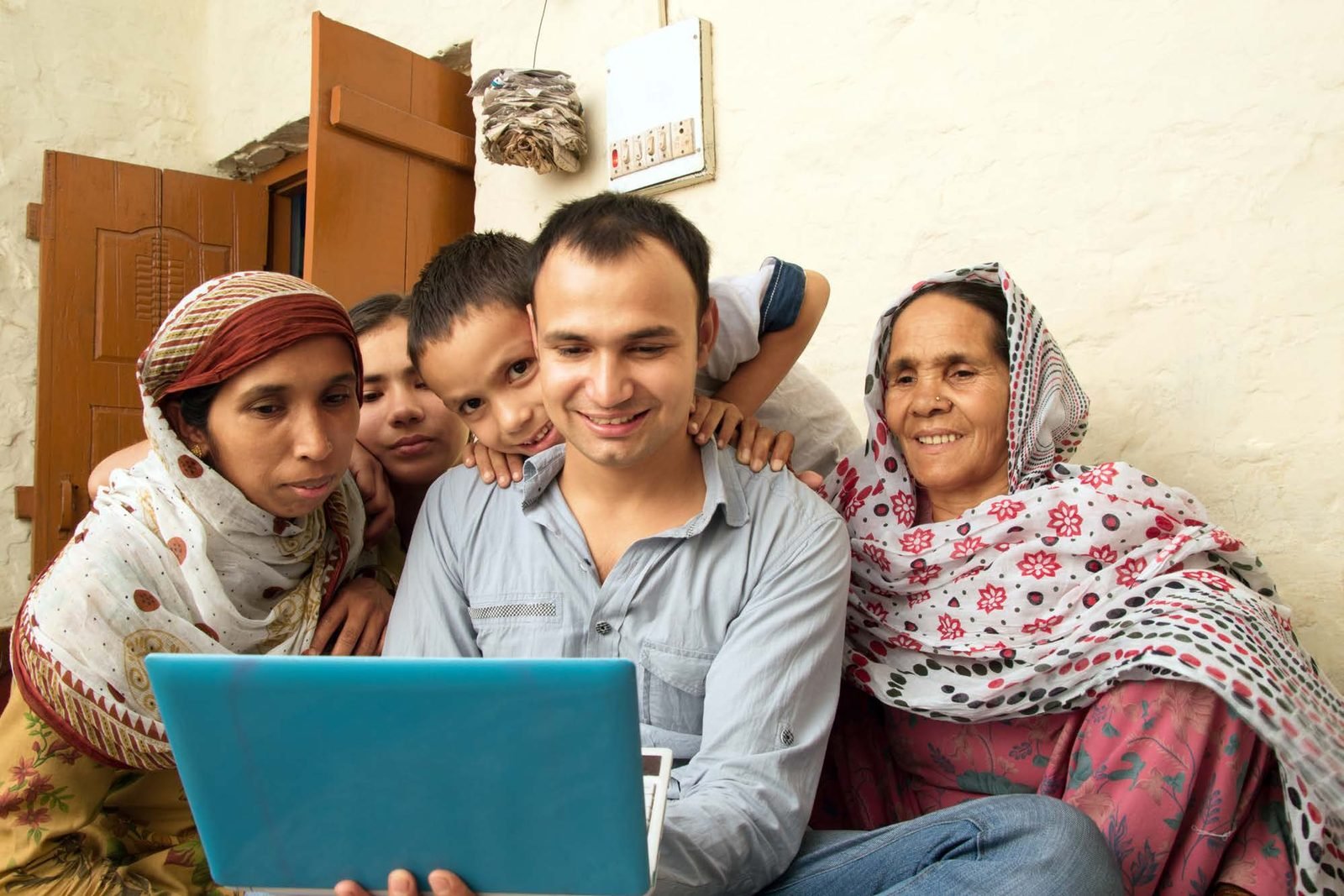
“The doctor told us how many chemotherapies there would be. My son found information on the computer about how the drugs work.” — Husband
Stories & visual explanations
Some oncologists take time to explain treatment. Some use analogies and draw diagrams.
Willingness to act
Patients wanted detailed instructions to create predictable daily routines.
Mental models
Patients put great faith in spirituality and traditional medicine as it fills needs for emotional comfort and action.
5
Medical moneymaking
Balance oncologists’ concerns for care and profit.
“I do not want the subcue at all. Realistically, the hospital will lose revenue. Every Tom, Dick, and Harry can take it outside.” — Oncologist
Managing satisfaction
Patients switched hospitals or doctors after dissatisfying experiences and evaluated the quality of the care based on the doctor’s interest in payment.
Families seek options
Patients were willing to accept drug substitutions if doctors had confidence.
Physicians decide
Physicians decided on brand based on their prediction of patient ability to pay. Patients were motivated to find options.
6
Nurse knowledge
Consider the time patients spend with nurses.
“These are cancer patients, not normal patients. They are very anxious and afraid.” — Nurse
Nurses create experience
The nurse is in the unique position to offer comfort at the moment when the drug meets the patient.
Patients want consistency
Some patients have asked for the same nurse over time.
Patients seek interaction
Nurses spend much more time with each patient than oncologists do.
7
Fundamental foundations
Utilize foundations as bridges to patients.
“A woman told us that after surgery, her in-laws said, ‘What good is half a woman?’ Her husband abandoned her. She came to us in desperation.” — Foundation volunteer
Foundations listen
Foundations focus on the relationships between survivors and patients. They emotionally and logistically support the patient.
Foundations connect
Foundations have close relationships with oncologists to help get patients referred directly.
Various types of support
Foundations bridge patients to various sources of support, like prosthetics and helping patients find affordable care.